
How to avoid zinc removal after ultrasonic degreasing of galvanized sheet
How to avoid zinc removal after ultrasonic degreasing of galvanized sheet?
Galvanized sheet is commonly known as galvanized sheet because it is electroplated with a layer of metallic zinc on the surface of cold-rolled sheet to prevent corrosion, rust and oxidation of iron materials and extend their service life. General trademarks include SECC, SECD, SECE, etc., and the original board uses P instead of E. After processing, a dedicated ultrasonic cleaning machine should be used for oil removal and cleaning!
The types of products currently produced and sold in China include hot-dip galvanized steel plates, alloyed galvanized steel plates, electroplated galvanized steel plates, single-sided and double-sided differential galvanized steel plates, alloy, composite galvanized steel plates, colorful galvanized steel plates, printed and coated galvanized steel plates, PVC laminated galvanized steel plates, etc. However, hot-dip galvanized steel plates are still commonly used nowadays.
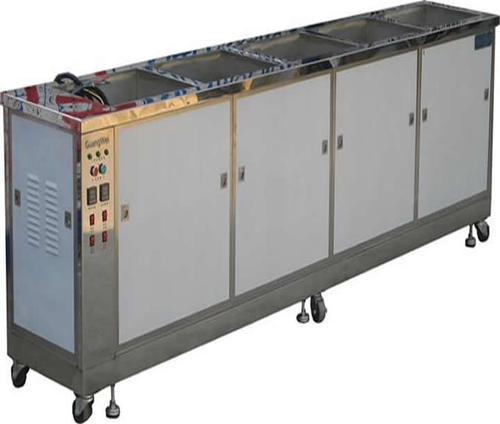
In the process of deep processing of galvanized sheet, cutting, stamping, ultrasonic degreasing and cleaning, spray painting and other processes are often accompanied. During the ultrasonic degreasing process of galvanized sheet, incomplete degreasing, zinc removal, zinc layer flower spots, dull zinc layer, and cutting off oxidation rust are extremely common, which is also a serious problem that has plagued the profession of deep processing of galvanized sheet for a long time.
The commonly used cleaning agents and equipment for ultrasonic cleaning and degreasing of galvanized sheet include: cleaning equipment: ultrasonic cleaning machine, cooperative cleaning agents: solvent based degreasing cleaning agent and water-based cleaning agent.
The performance of solvent based galvanized sheet cleaning agents in removing oil can basically meet the requirements for removing oil from the surface of galvanized sheets. They have the characteristics of quick oil removal, no need for rinsing, and easy volatilization (no need for drying). They were widely used in early industrial production. However, solvent based cleaning agents have high volatility, high cost, and significant impact on human skin and respiratory tract. Long term touch operation can cause occupational diseases. Therefore, solvent based cleaning agents or screening and modification are basically not used in occupational cleaning now. Instead, water-based galvanized sheet cleaning agents have become the ideal replacement for this profession.
Article source: Jiangmen Ultrasonic Cleaning Machine http://www.kpzfcsb.com/
-
04-01
Jiangmen Ultrasonic Cleaning Machine: What are the reasons for poor cleaning effect?
People originally use ultrasonic cleaning machines for convenience, and if ultrasonic cleaning is not clean, they will definitely feel sad in their hearts. What is the reason for the uncleanliness of
-
01-04
Cleaning process of ultrasonic cleaning machine
Cleaning processSelect a reasonable ultrasonic cleaning machine process based on the characteristics and contamination of the workpiece.4. How to choose between manual and semi-automaticManual operati
-
12-16
Instructions for using Jiangmen ultrasonic cleaning machine
1. Device ultrasonic cleaning machinePlease refer to the instruction manual of the ultrasonic cleaning machine to connect the temperature control sensor signal line, ultrasonic drive line, heater cont
-
12-10
Cavitation phenomenon of Jiangmen ultrasonic cleaning machine
Magical cavitation phenomenonWhen it comes to ultrasonic cleaning, some people may think that it is the use of high-frequency vibration of ultrasonic waves to destroy dust and dirt. Actually, ultrason